
When you pick up a plushie, the first thing you notice is how soft and comforting it feels. But have you ever wondered what actually goes into making that cuddly toy? From the outer covering to the inner filling, every component plays an important role in safety, durability, and comfort.
Understanding the materials used in plushies helps parents, gift buyers, and collectors make informed decisions. The right fabric for stuff toys ensures a gentle touch against the skin, while high-quality soft toy stuffing provides the perfect balance of softness and support. Together, these materials create a toy that can be loved for years.
In this complete guide, we’ll explore the most common plushie materials, why they matter, and how they contribute to the quality and value of soft toys.
Why Materials Matter in Plushies
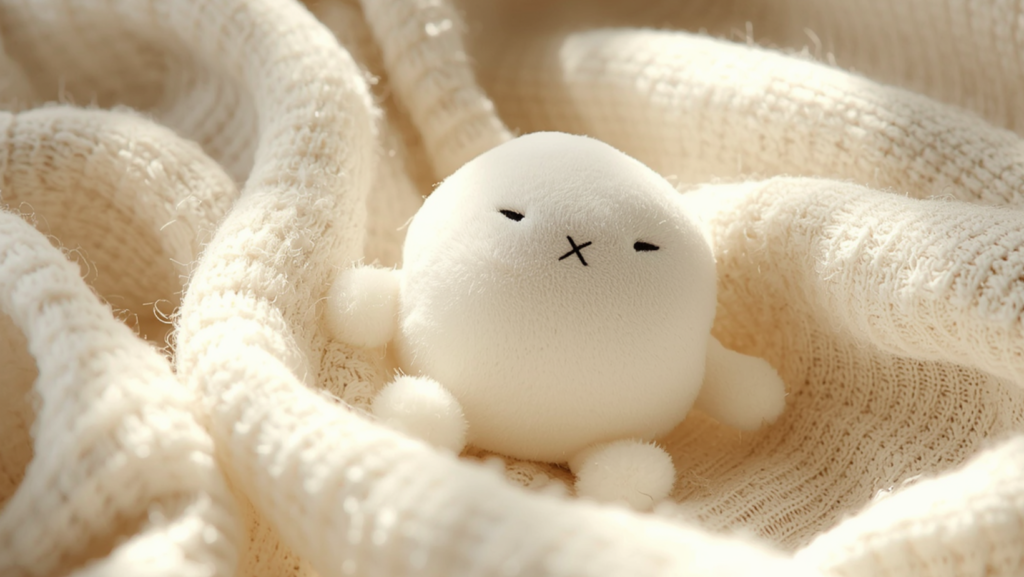
Plushies are often used daily—hugged, carried, and sometimes even slept with. Because of this close contact, the materials used must be safe, durable, and comfortable. Choosing the right fabric for stuff toys is one of the most important steps in creating a reliable plushie.
Quality materials affect:
- Safety for babies and children
- Comfort during play and sleep
- Durability over time
- Ease of cleaning
- Overall product value
Parents especially look for plushies made from trusted materials that are gentle on sensitive skin. That’s why manufacturers carefully select each plushie material to meet safety and quality standards.
Fabric for Stuff Toys: The Most Important Component
The outer layer of a plushie is what children touch and feel the most. This makes the fabric for stuff toys the most essential part of the toy’s design. A good fabric should be soft, breathable, and strong enough to handle everyday use.
Manufacturers test different fabrics to ensure they provide comfort while maintaining durability. The right fabric for stuff toys helps prevent irritation, reduces wear and tear, and keeps the plushie looking new.
Common qualities of high-quality fabric include:
- Soft texture
- Skin-friendly surface
- Resistance to fading
- Strong fibers
- Easy maintenance
Selecting the proper fabric for stuff toys is especially important for baby products, where safety and hygiene are top priorities.
Types of Soft Fabric for Plushies
Not all plushies are made from the same materials. Different fabrics offer different textures, durability levels, and price points. Choosing the right soft fabric for plushies depends on the purpose of the toy and the age group using it.
1. Cotton
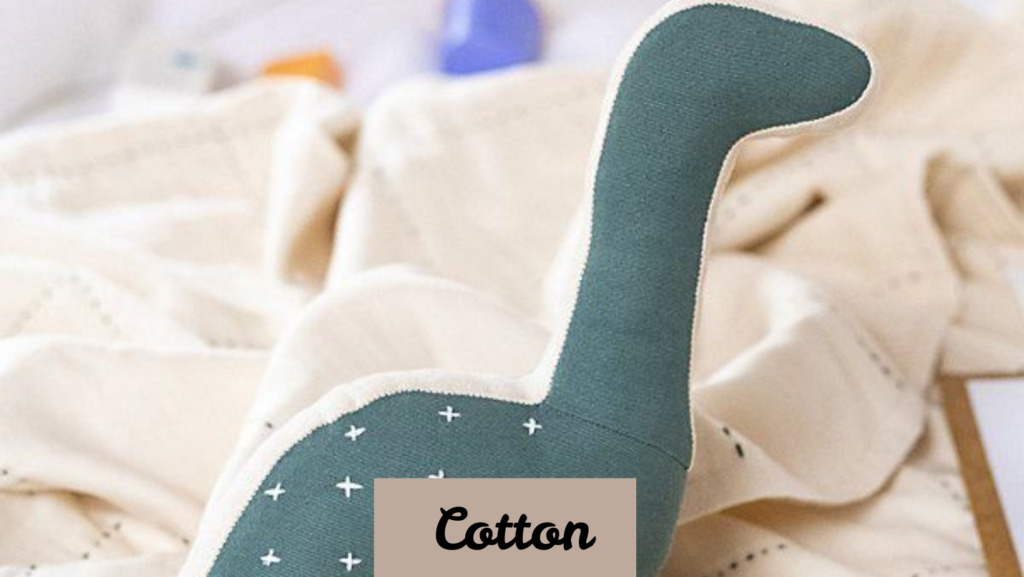
Cotton is one of the most widely used materials in plushie production. It is breathable, natural, and comfortable against the skin. Many parents prefer cotton because it is gentle and easy to clean.
Cotton is often chosen as a reliable fabric for stuff toys because it balances comfort and durability.
2. Polyester
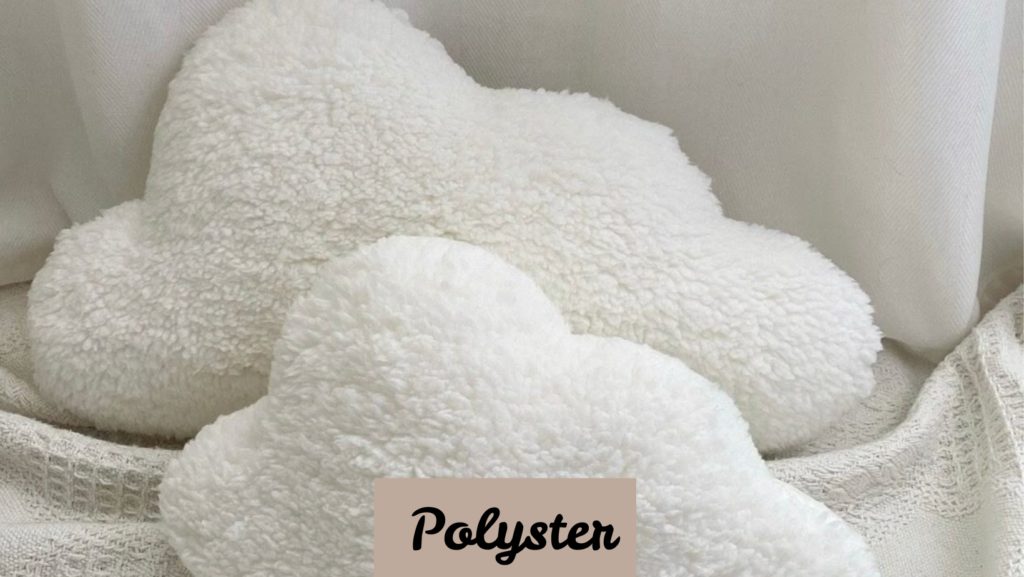
Polyester is a popular synthetic material known for its strength and flexibility. It resists wrinkles, holds color well, and maintains its shape over time.
Many modern plushies use polyester as the main plushie material because it is affordable and long-lasting.
3. Fleece
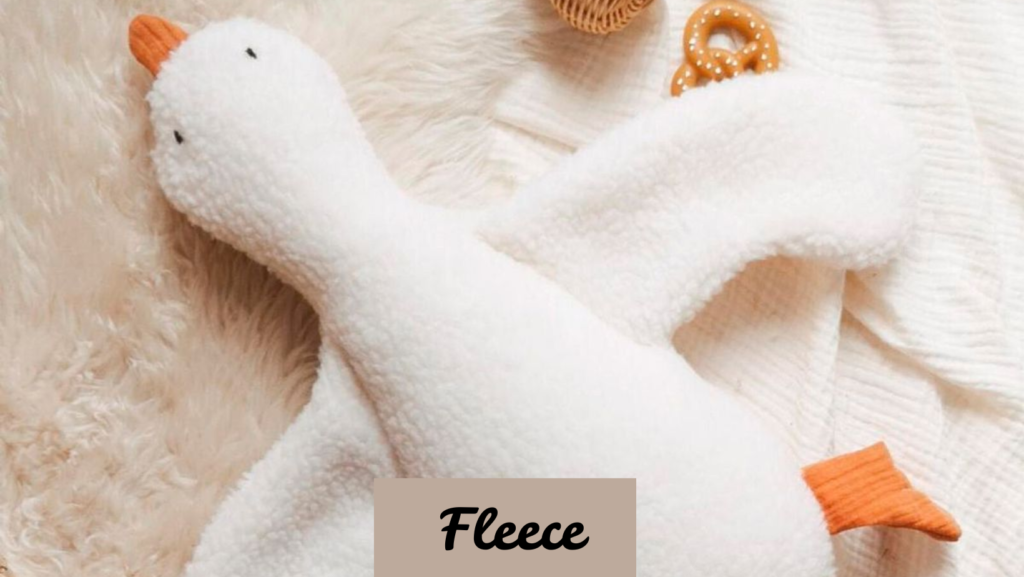
Fleece is soft, warm, and lightweight. It creates a cozy feel that makes plushies especially comforting during bedtime or travel.
Because of its gentle texture, fleece is frequently selected as a premium fabric for stuff toys for children’s toys.
4. Velboa
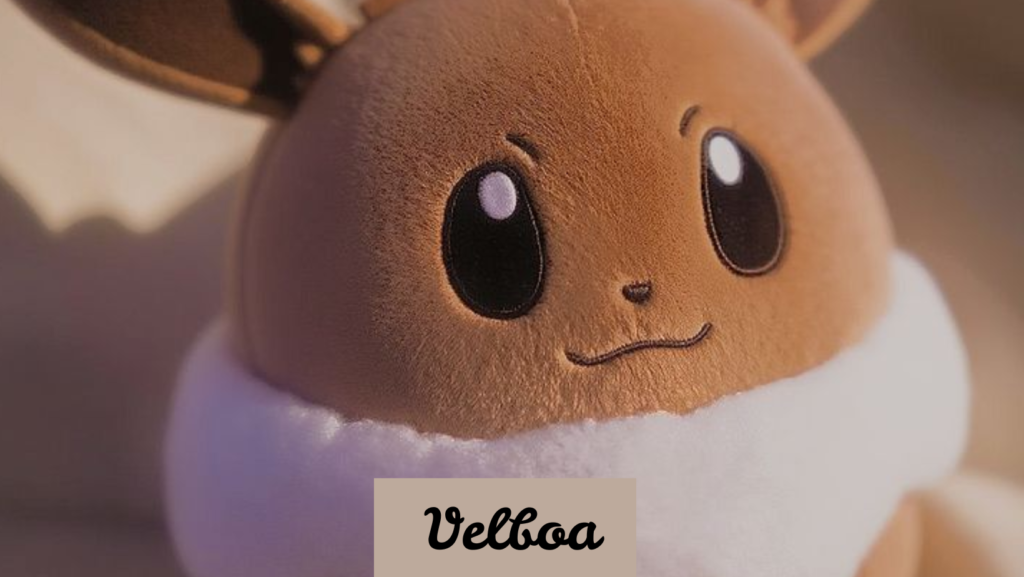
Velboa is a smooth, short-pile fabric commonly used in plush toys. It offers a sleek appearance while remaining soft to the touch.
Manufacturers often choose velboa as a durable fabric for stuff toys that maintains its shape even after repeated washing.
5. Faux Fur
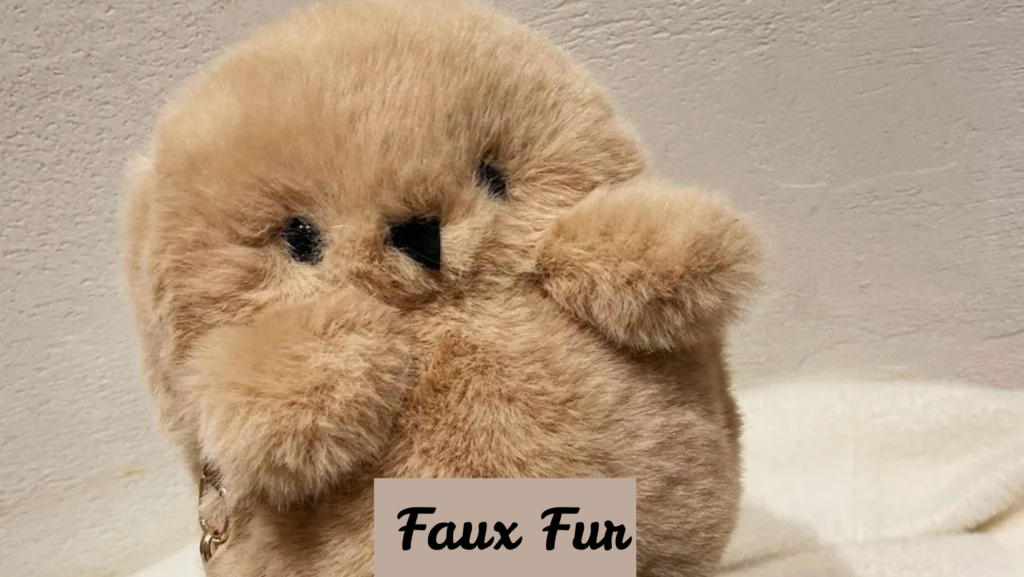
Faux fur is used in plushies that require a fluffy or realistic appearance. While it may be slightly more expensive, it creates a luxurious feel.
This type of soft fabric for plushies is often found in premium or collectible toys.
Understanding Soft Toy Stuffing
While the outer fabric gets most of the attention, the inside of a plushie is just as important. The soft toy stuffing determines how the toy feels, how well it holds its shape, and how comfortable it is to hug.
High-quality stuffing ensures that the plushie remains soft and supportive without becoming lumpy or flat.
Common Types of Soft Toy Stuffing
Polyester Fiberfill
This is the most common type of stuffing used in plushies. It is lightweight, soft, and resistant to moisture.
Cotton Filling
Cotton stuffing provides a natural alternative and offers a firm yet comfortable feel.
Foam Beads
Foam beads are sometimes used to add weight and flexibility to plushies.
Recycled Materials
Some manufacturers use recycled fibers to create eco-friendly toys.
Regardless of the type used, safe soft toy stuffing must be non-toxic, hypoallergenic, and durable.
Safety Standards for Plushie Materials
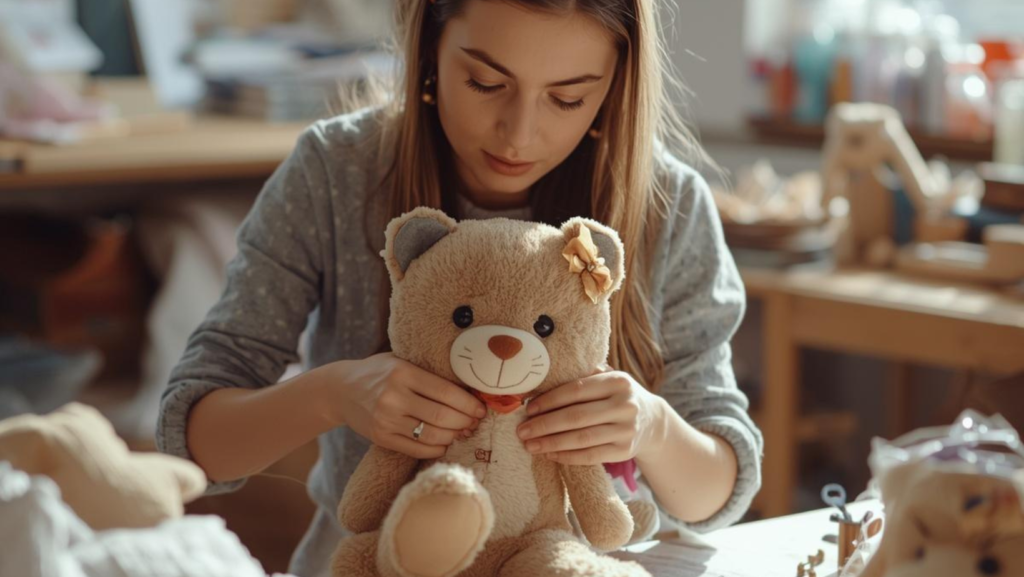
Safety is one of the most important considerations when selecting materials for children’s toys. Reputable manufacturers follow strict guidelines to ensure every fabric for stuff toys meets safety requirements.
These standards help protect children from potential risks.
Important Safety Features
- Non-toxic materials
- Hypoallergenic fibers
- Secure stitching
- Flame-resistant fabric
- Durable construction
Parents can feel more confident when they know the fabric for stuff toys has been tested for safety and reliability.
The Role of Stitching and Construction
Materials alone do not determine a plushie’s quality. The way those materials are assembled also matters. Strong stitching ensures that the fabric for stuff toys stays securely in place, preventing tears or loose seams.
Quality construction includes:
- Reinforced seams
- Even stitching
- Secure attachments
- Balanced stuffing
- Smooth finishing
These features help the plushie remain safe and durable during daily use.
Choosing the Right Fabric for Stuff Toys
When selecting a plushie, it’s helpful to consider how the toy will be used. Different situations may require different materials.
For example:
For babies:
Choose a gentle fabric for stuff toys that is soft and hypoallergenic.
For toddlers:
Look for durable materials that can handle frequent play.
For decoration:
Consider plushies made from decorative fabrics with unique textures.
For travel:
Select lightweight materials that are easy to carry.
Understanding the purpose of the toy makes it easier to choose the best fabric for stuff toys for your needs.
Environmental Considerations in Plushie Materials
Sustainability is becoming increasingly important in the toy industry. Many manufacturers are exploring eco-friendly options to reduce environmental impact.
These may include:
- Organic cotton
- Recycled polyester
- Biodegradable packaging
- Low-impact dyes
Using sustainable plushie material helps protect the environment while maintaining product quality.
Parents today often appreciate toys made with responsible materials, especially when selecting items for young children.
Long-Term Benefits of High-Quality Materials
Investing in a plushie made from premium materials provides long-term value. Durable fabrics and reliable stuffing help the toy maintain its appearance and comfort over time.
Benefits of high-quality materials include:
- Reduced replacement costs
- Improved hygiene
- Better safety
- Longer lifespan
- Consistent comfort
A plushie made with strong fabric for stuff toys can remain a trusted companion for many years.
Final Thoughts
Plushies may look simple on the outside, but they are carefully crafted using a combination of materials that work together to create comfort, safety, and durability. From selecting the right soft fabric for plushies to choosing reliable soft toy stuffing, every detail matters.
Most importantly, the quality of the fabric for stuff toys plays a central role in determining how a plushie feels, lasts, and performs. When you understand what plushies are made of, it becomes easier to choose products that provide both value and peace of mind.
A well-made plushie is more than just a toy—it is a soft, dependable companion designed to bring comfort and happiness every day.