
When shopping for a soft toy, many parents and gift buyers often pause at the price tag and wonder, “Why are plushies so expensive?” After all, they look simple—soft fabric, stuffing, and stitching. But behind every high-quality plushie is a carefully planned plushie design, premium materials, safety testing, and skilled craftsmanship.
Understanding the real cost of making quality soft toys helps buyers appreciate what they are paying for. From the fabric for stuff toys to the finishing details, and plushie designs every step contributes to durability, safety, and comfort—especially when the toy is meant for children.
Let’s explore the true reasons why plushies can be expensive and why investing in a well-made one is often worth it.
1. High-Quality Materials Make a Big Difference
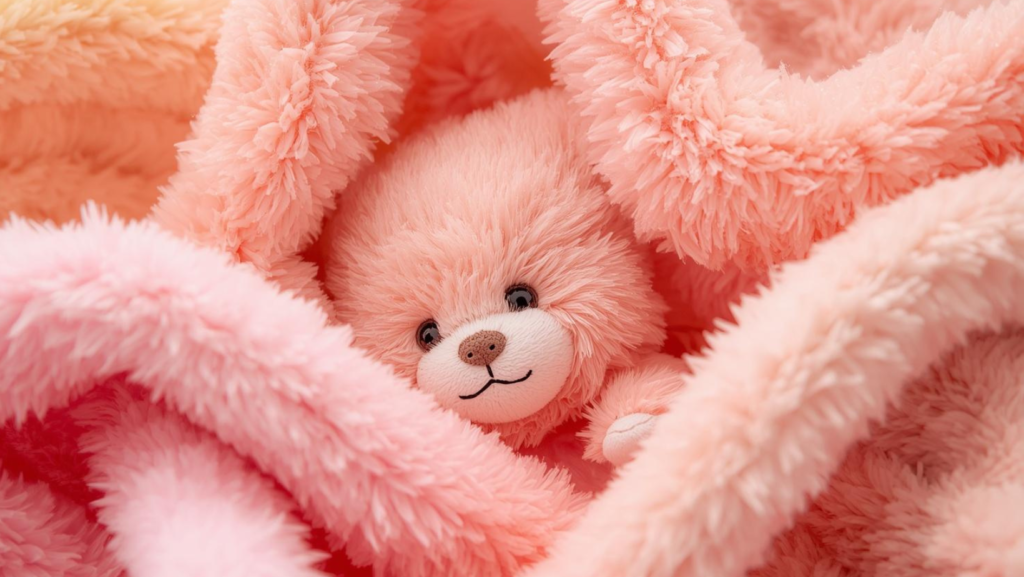
One of the biggest factors affecting the price of a plushie is the quality of materials used. Not all fabrics are created equal, and premium plushies designs are made using specially selected soft fabric for plushies that is gentle on sensitive skin.
Quality plushie fabrics are designed to be:
- Soft and comfortable for cuddling
- Durable enough to withstand frequent washing
- Safe and non-irritating for babies and children
- Resistant to tearing and shedding
Cheaper toys often use lower-grade fabrics that may feel rough, fade quickly, or lose shape over time. In contrast, premium plushies use fabrics that maintain their softness and structure for years.
For parents, this means fewer replacements and better long-term value.
2. Safe and Comfortable Soft Toy Stuffing
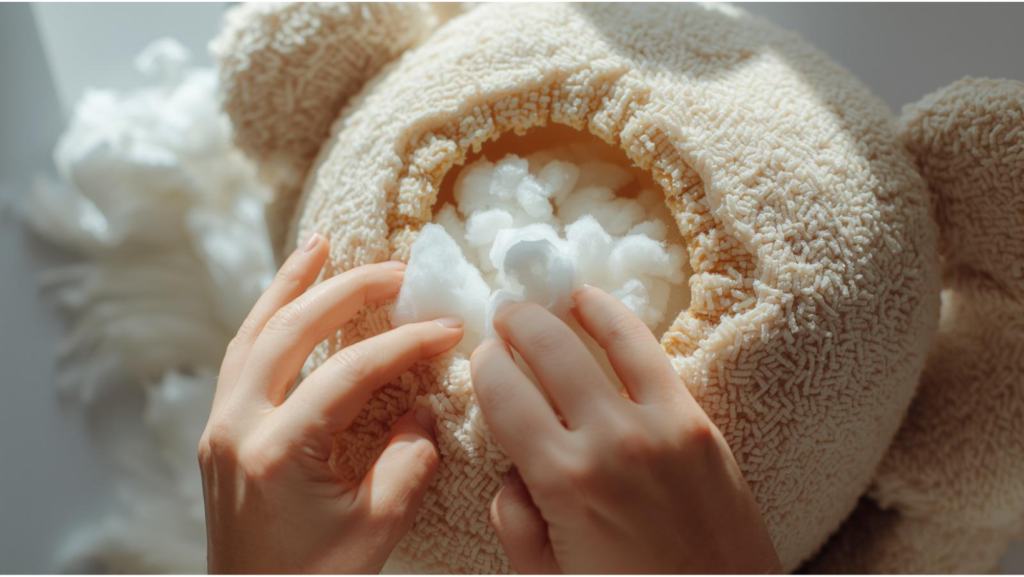
Another important component that influences cost is the soft toy stuffing inside the plushie. The stuffing determines how the toy feels, how well it holds its shape, and how safe it is for children.
High-quality stuffing materials are:
- Hypoallergenic
- Non-toxic
- Lightweight yet supportive
- Resistant to clumping
Manufacturers often use premium polyester fiberfill or specially treated materials that meet strict safety standards. These materials cost more than basic stuffing, but they ensure the toy remains soft, safe, and comfortable.
This is especially important for babies and toddlers who spend a lot of time hugging, chewing, or sleeping with their plushies.
3. Thoughtful Plushie Design Requires Time and Expertise
A well-made plushie design is not created overnight. Designers spend hours—sometimes weeks—developing a toy that is both adorable and functional.
The plushie design process typically includes:
- Sketching and concept development
- Pattern creation and testing
- Size and proportion adjustments
- Safety and durability checks
- User comfort considerations
Small details, such as embroidered eyes instead of plastic ones, secure stitching, and balanced proportions, require careful planning and skilled craftsmanship.
This attention to detail ensures the plushie is safe for children while maintaining its charm and personality.
4. Safety Testing and Quality Standards Increase Costs
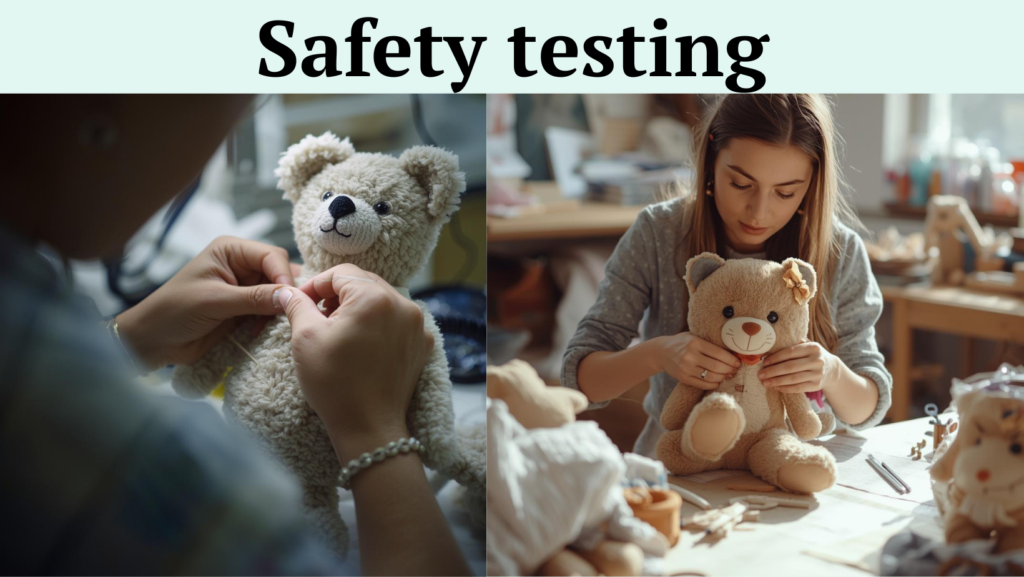
Safety is one of the most important factors in children’s products, and plushies are no exception. Reputable manufacturers invest heavily in testing to ensure their toys meet national and international safety standards.
These tests may include:
- Toxicity testing for materials
- Strength testing for seams and stitching
- Flammability testing
- Choking hazard assessments
While safety testing adds to production costs, it provides peace of mind for parents and caregivers. A properly tested plushie reduces the risk of accidents and ensures the toy is suitable for daily use.
5. Handmade and Small-Batch Production Costs More
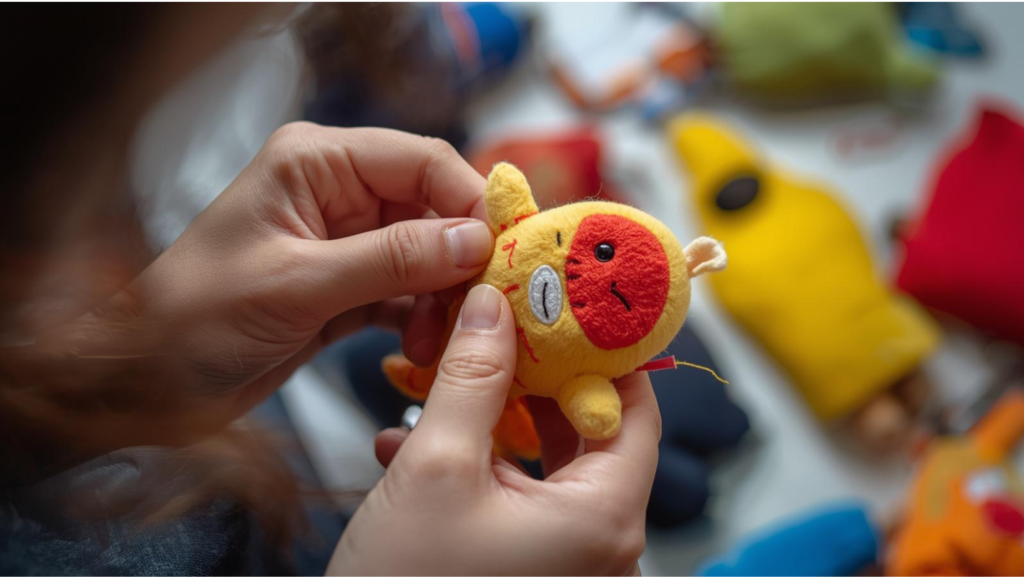
Many high-quality plushie designs are handmade or produced in small batches rather than mass-produced in factories. This approach allows for better quality control but also increases labor costs.
Handcrafted plushie designs often involve:
- Skilled stitching and finishing
- Careful inspection of each toy
- Custom detailing
- Higher production time per piece
Unlike factory-made toys, handmade plushies receive individual attention, which improves durability and overall quality.
6. Durability Means Long-Term Value
A cheap plushie might cost less upfront, but it may wear out quickly. Seams can loosen, stuffing can flatten, and fabric can fade after a few washes.
High-quality plushies are designed to last for years, making them a better investment in the long run.
Durable plushie designs typically feature:
- Reinforced stitching
- Strong seams
- Fade-resistant fabrics
- Shape-retaining stuffing
Parents often find that a well-made plushie becomes a long-term companion for their child, sometimes lasting through childhood and even becoming a cherished keepsake.
7. Brand Reputation and Ethical Manufacturing
Trusted brands invest in ethical sourcing, responsible manufacturing, and safe working conditions. These practices may increase production costs but reflect a commitment to quality and social responsibility.
Ethical production includes:
- Fair wages for workers
- Safe working environments
- Responsible material sourcing
- Environmentally friendly practices
Consumers today are increasingly willing to pay more for products that align with their values, especially when it comes to children’s items.
8. Collectible and Premium Plushies Can Be Among the Most Expensive Toys
Some plushies fall into the category of collectible or luxury items and can become part of the most expensive toys in the world. These toys may feature limited editions, unique plushie designs, or premium materials.
Factors that increase the price of collectible plushies include:
- Limited production runs
- Designer collaborations
- High-end fabrics and detailing
- Strong brand recognition
While not every plushie is a collector’s item, the same principles of quality and craftsmanship apply to everyday soft toys.
Final Thoughts
So, why are plushies so expensive? The answer lies in the careful balance of quality materials, thoughtful plushie design, safety testing, and skilled craftsmanship. From selecting the right fabric for stuff toys to choosing safe and comfortable soft toy stuffing, every step in the process adds value to the final product.
A well-made plushie is more than just a toy—it is a source of comfort, companionship, and lasting memories. When you invest in a quality soft toy, you are investing in safety, durability, and emotional connection.
In the end, the true cost of a plushie reflects the care and effort that goes into creating something soft, safe, and meaningful for the people who love it.