
Plushies are beloved companions found in homes around the world today. From cozy nurseries to collector shelves, these soft toys bring comfort, joy, and lasting memories. But have you ever wondered who created the very first plushie? The story behind the world’s first stuffed toy is filled with creativity, history, and innovation—and it laid the foundation for what we now recognize as vintage teddy bears.
Long before modern toys were mass-produced, early stuffed animals were handmade using simple plushie material, natural fabrics, and basic stitching techniques. These early creations were not only toys but also symbols of comfort and companionship. Over time, these handmade toys evolved into the iconic vintage teddy bears that collectors and families still cherish today.
In this article, we’ll explore the origins of plushies, the people behind their invention, and how early designs shaped the soft toys we love now.
The Early Origins of Stuffed Toys
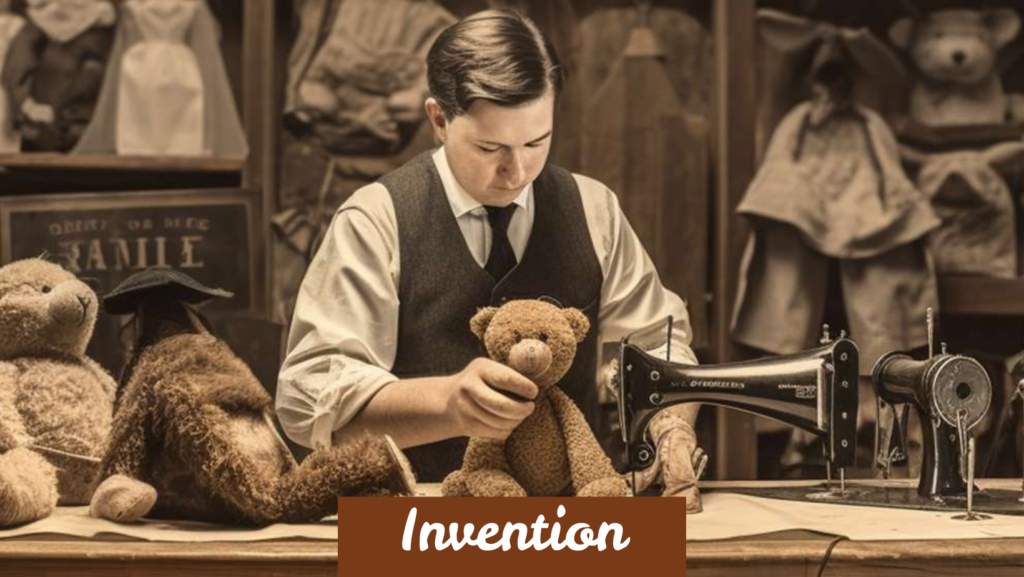
The concept of stuffed toys dates back centuries. Before the industrial era, parents and artisans created simple cloth dolls and animal figures for children using leftover fabric and natural fillings. These early toys were handmade with care and often passed down through generations.
Common materials used in early stuffed toys included:
- Cotton fabric
- Wool fabric
- Linen cloth
- Straw or cotton filling
- Hand-sewn stitching
Although these toys were basic compared to modern plushies, they served the same purpose—comforting children and encouraging imaginative play. These early creations paved the way for the development of vintage teddy bears, which would soon become one of the most recognizable toys in history.
The Birth of the Teddy Bear: A Historical Turning Point
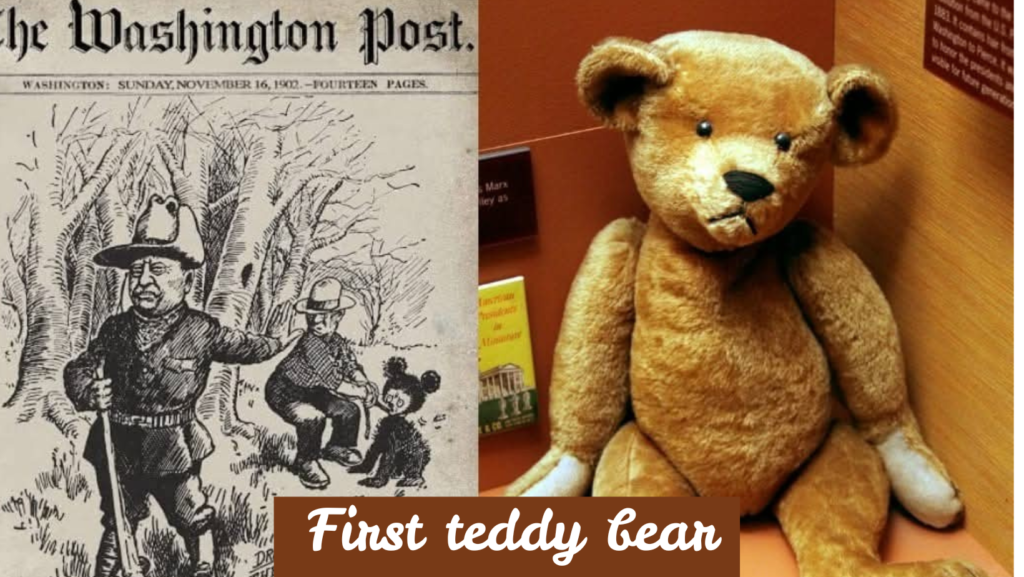
The modern plushie as we know it began in the early 1900s. The teddy bear was inspired by a real-life event involving U.S. President Theodore Roosevelt. During a hunting trip in 1902, Roosevelt famously refused to shoot a captured bear, believing it was unfair. The story quickly spread through newspapers and captured public attention.
Inspired by this event, a Brooklyn shop owner named Morris Michtom created a soft toy bear and displayed it in his store window. He named the toy “Teddy’s Bear” in honor of the president.
At nearly the same time in Germany, a company called Steiff also introduced a soft toy bear designed by Margarete Steiff. These early creations marked the beginning of the plush toy industry and gave rise to the first vintage teddy bears.
These original teddy bears quickly became popular with children and adults alike, setting the stage for the global plushie market.
Vintage Teddy Bears: The First Icons of the Plush Toy World
The earliest vintage teddy bears were handmade using simple techniques but remarkable craftsmanship. Each toy required careful attention to detail, from selecting fabric to stitching the seams.
These early bears were different from modern plushies in several ways. They often had:
- Longer limbs
- Firm stuffing
- Hand-sewn features
- Natural fabric materials
- Limited color options
Despite their simplicity, vintage teddy bears became treasured possessions. Families valued them not only as toys but also as keepsakes that held sentimental meaning.
Today, collectors still seek authentic vintage teddy bears because of their historical significance and unique craftsmanship.
Materials Used in the First Plushies
The earliest plush toys were made from materials that were readily available at the time. Manufacturers carefully selected each plushie material to ensure durability and comfort.
Early Plushie Materials Included
Mohair Fabric
One of the most popular materials used in early teddy bears was mohair, a soft fabric made from goat hair. It provided a fuzzy texture similar to modern soft fabric for plushies.
Cotton and Wool
Cotton and wool were commonly used because they were affordable and easy to sew.
Metal or Wooden Joints
Some early bears included movable joints made from metal or wood, allowing arms and legs to move.
These materials helped shape the design of early vintage teddy bears, making them durable and recognizable.
The Evolution of Soft Toy Stuffing
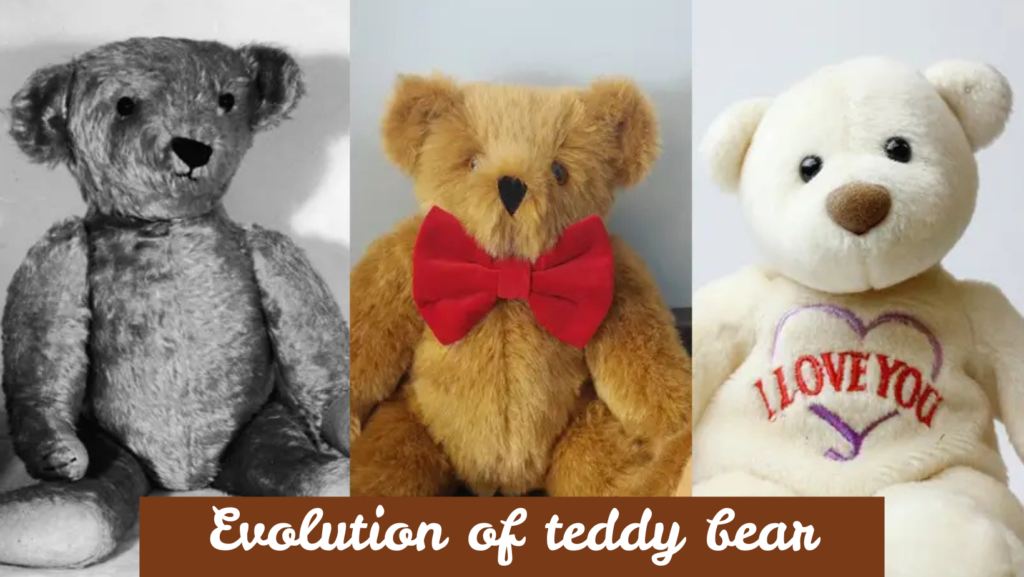
The stuffing inside plushies has changed significantly over time. Early stuffed toys used natural materials because synthetic options were not yet available.
Common Historical Stuffing Materials
- Straw
- Cotton
- Wood wool (excelsior)
- Wool fibers
- Fabric scraps
While these materials worked well at the time, they were often heavy and less comfortable than modern options.
Today, plushies use advanced soft toy stuffing that is lightweight, hypoallergenic, and long-lasting. This evolution has made plushies safer and more comfortable for children.
How Industrialization Changed Plushie Production
The rise of factories in the early 20th century transformed the toy industry. Mass production allowed plushies to be made faster and more consistently, making them accessible to more families.
Factories introduced:
- Standardized patterns
- Machine stitching
- Improved quality control
- New fabric options
- Affordable pricing
As production increased, vintage teddy bears became widely available and gained popularity around the world.
This shift also encouraged innovation in plushie material and manufacturing techniques.
The Role of Design in Early Plushies
Design played an important role in the success of early plush toys. Manufacturers experimented with shapes, sizes, and facial expressions to create toys that children would love.
Key design improvements included:
- Softer textures
- Rounder shapes
- Safer features
- More expressive faces
- Balanced proportions
These design changes helped make vintage teddy bears more appealing and comfortable for everyday use.
Collecting Vintage Teddy Bears Today
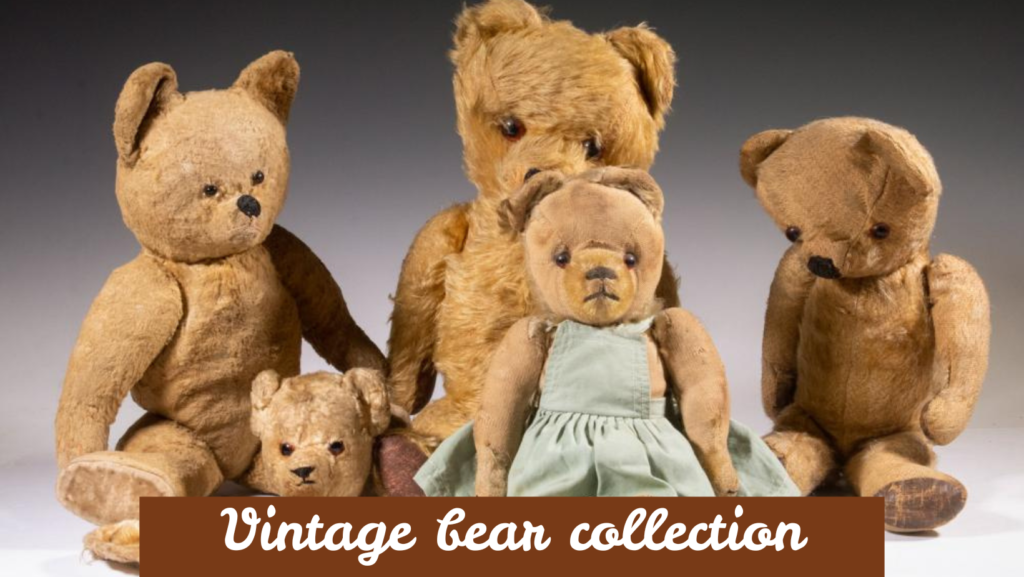
More than a century after their invention, vintage teddy bears remain highly valued by collectors and enthusiasts. Some rare bears have become valuable antiques due to their age, condition, and historical significance.
Collectors often look for:
- Original materials
- Hand-sewn details
- Manufacturer labels
- Unique designs
- Limited production runs
In fact, certain rare plushies have become part of the most expensive toys category, selling for thousands of dollars at auctions.
However, for many people, the value of vintage teddy bears lies in their emotional connection rather than their price.
The Emotional Legacy of the First Plushies
The first stuffed toys were created to comfort children, and that purpose remains unchanged today. Whether handmade in the early 1900s or produced using modern technology, plushies continue to provide companionship and reassurance.
A simple toy can help children:
- Feel safe during bedtime
- Develop imagination
- Express emotions
- Build confidence
- Create lasting memories
This emotional value is what makes vintage teddy bears so meaningful across generations.
How Modern Plushies Build on a Historic Foundation
Today’s plush toys are the result of more than a century of innovation. Manufacturers continue to improve materials, safety standards, and design techniques to create better products.
Modern plushies often feature:
- Advanced soft fabric for plushies
- Lightweight soft toy stuffing
- Durable stitching
- Washable materials
- Child-safe construction
Despite these improvements, the inspiration behind modern plushies can still be traced back to the original vintage teddy bears that started it all.
Why the History of Plushies Still Matters
Understanding the history of plushies helps us appreciate the care and creativity behind these beloved toys. The journey from handmade cloth dolls to modern plushies reflects changes in technology, culture, and childhood experiences.
Learning about the origins of vintage teddy bears reminds us that even simple objects can carry deep emotional meaning. These toys represent comfort, companionship, and the universal desire to create happiness for children.
Final Thoughts
The story of the first plushie is a fascinating blend of history, creativity, and compassion. From early handmade toys to the iconic vintage teddy bears that captured the world’s attention, plushies have evolved into cherished companions for people of all ages.
Today’s plush toys continue to build on this legacy using improved plushie material, safer soft toy stuffing, and softer soft fabric for plushies. While technology has changed, the purpose of plushies remains the same—to provide comfort, joy, and lasting memories.
And that is why the history of vintage teddy bears continues to inspire the soft toys we love today.