
When shopping for soft toys, many parents and gift buyers often use the terms plushie and stuffed toy interchangeably. At first glance, they seem like the same thing—soft, cuddly companions designed to comfort and entertain children. However, there are subtle differences between the two that can help you make better purchasing decisions, especially when choosing safe and high-quality Baby toys.
Understanding these differences is important not just for clarity, but also for safety, durability, and overall value. From the plushie material used to the type of soft toy stuffing inside, every detail contributes to how a toy feels, performs, and lasts over time. This guide explains the distinctions in a simple, practical way so parents and buyers can shop with confidence.
What Is a Plushie?
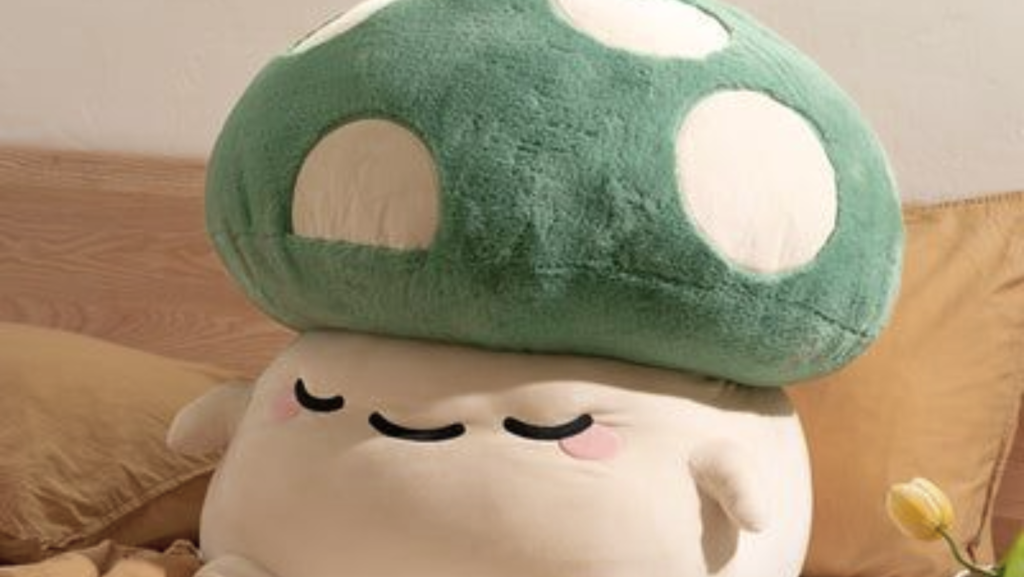
A plushie is typically a soft toy made with extra-soft fabrics and designed primarily for comfort and emotional connection. Plushies often have a smoother texture, detailed stitching, and carefully selected materials that make them suitable for cuddling, sleeping, and sensory comfort.
Modern plushies are crafted using premium soft fabric for plushies, such as plush fleece, velour, or cotton blends. These materials are chosen not only for softness but also for durability and safety, especially when the toy is intended for infants or toddlers.
Plushies are commonly used for:
- Comfort during sleep or travel
- Emotional support and companionship
- Nursery decoration
- Gift-giving for special occasions
Because of their focus on comfort and quality, plushies are often associated with thoughtful gifting and long-term use.
What Is a Stuffed Toy?
A stuffed toy is a broader term that includes any toy filled with materials like fiber, cotton, or foam. While all plushies are technically stuffed toys, not all stuffed toys qualify as plushies. Some stuffed toys are designed mainly for play rather than comfort, and they may use simpler fabrics or less detailed designs.
The quality of a stuffed toy often depends on the plushie material and the type of soft toy stuffing used. High-quality stuffing provides better shape retention, softness, and safety, while lower-quality materials may flatten or wear out more quickly.
Stuffed toys are commonly used for:
- Playtime and imaginative games
- Learning and development
- Collecting or decoration
- Everyday entertainment
Baby Toys: Why the Difference Matters for Safety and Comfort
When it comes to Baby toys, understanding the difference between plushies and stuffed toys becomes especially important. Babies have sensitive skin and developing immune systems, so the materials used in their toys must be gentle, non-toxic, and easy to clean.
High-quality Baby toys are designed with safety as the top priority. They use carefully tested plushie material, secure stitching, and breathable soft fabric for plushies to ensure comfort and durability. Parents often look for features such as:
- Hypoallergenic soft toy stuffing
- Non-irritating fabrics
- Strong seams and stitching
- Easy-to-wash materials
- No small detachable parts
Choosing safe Baby toys helps reduce the risk of allergies, choking hazards, and skin irritation while providing a comforting and enjoyable experience for the child.
Key Differences Between Plushies and Stuffed Toys
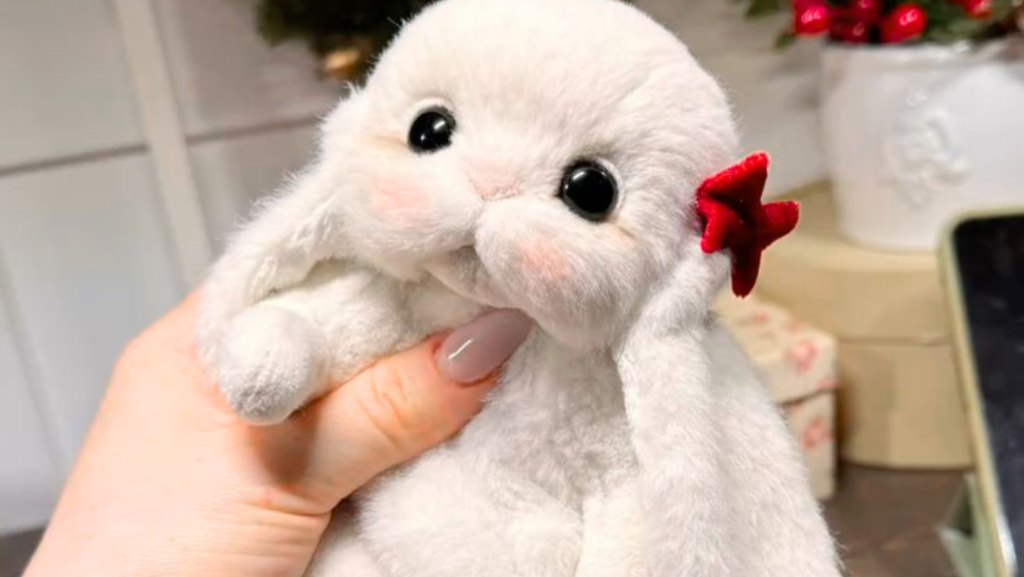
Although the terms are related, there are a few noticeable differences between plushies and stuffed toys.
1. Purpose
Plushies are primarily designed for comfort and emotional support, while stuffed toys are often created for play and entertainment.
2. Texture and Feel
Plushies usually feature softer, smoother soft fabric for plushies, making them ideal for cuddling. Stuffed toys may use a wider variety of materials depending on their intended use.
3. Design and Detail
Plushies often have more refined designs, including embroidered features and carefully selected plushie material. Stuffed toys may have simpler construction.
4. Durability
High-quality plushies typically maintain their shape longer because of better soft toy stuffing and reinforced stitching.
5. Price Range
Plushies can sometimes cost more due to higher-quality materials and craftsmanship. However, not all plushies fall into the category of most expensive toys—many affordable options still offer excellent quality and safety.
The Role of Materials in Both Types of Toys
Materials play a crucial role in determining the quality, safety, and longevity of both plushies and stuffed toys. The right plushie material ensures that the toy remains soft, safe, and comfortable even after repeated use.
Common Materials Used
Soft Fabric for Plushies
Popular options include fleece, cotton, polyester, and plush fabric. These materials are chosen for their softness, durability, and ability to withstand washing.
Soft Toy Stuffing
The stuffing inside the toy determines its shape, weight, and comfort level. High-quality stuffing materials include polyester fiberfill and cotton blends, which provide consistent softness and resilience.
Reinforced Stitching
Strong stitching helps prevent tears and keeps the stuffing securely inside the toy, ensuring long-term safety.
Parents and buyers should always check product labels and descriptions to confirm that the materials meet safety standards, especially when selecting Baby toys for young children.
Emotional and Developmental Benefits of Plushies and Stuffed Toys

Both plushies and stuffed toys offer more than just entertainment—they also support emotional and developmental growth. For children, a soft toy can become a trusted companion during new experiences, bedtime routines, and moments of stress.
Well-designed Baby toys encourage imagination, comfort, and independence. A child may talk to their toy, create stories, or carry it everywhere, building confidence and emotional security along the way.
Benefits include:
- Emotional comfort and reassurance
- Improved sleep routines
- Development of social skills
- Encouragement of imaginative play
- Sense of companionship
These benefits explain why soft toys remain among the most cherished items in childhood.
Are Plushies Always the Most Expensive Toys?
Many people assume that plushies are automatically among the most expensive toys, but this is not always the case. Price depends on several factors, including materials, craftsmanship, brand reputation, and safety testing.
High-quality plushies may cost more initially, but they often provide better value over time because they last longer and maintain their softness. Investing in durable Baby toys can reduce the need for frequent replacements and ensure consistent comfort for the child.
Affordable plushies can still be safe and reliable when made with good plushie material and proper soft toy stuffing.
How to Choose the Right Baby Toys for Your Child
Selecting the right baby toys involves balancing comfort, safety, and practicality. Whether you are buying a plushie or a stuffed toy, paying attention to materials and construction can make a big difference.
Tips for Choosing Quality Baby Toys:
- Look for soft, breathable soft fabric for plushies
- Choose baby toys with secure stitching
- Check that the soft toy stuffing is evenly distributed
- Select washable materials
- Avoid toys with loose parts for young children
These simple checks can help ensure that the toy remains safe, comfortable, and enjoyable for everyday use.
Final Thoughts
Understanding the difference between a plushie and a stuffed toy helps parents and buyers make smarter, safer choices. While both types of toys offer comfort and fun, plushies often focus more on softness and emotional connection, while stuffed toys may emphasize play and variety.
When choosing Baby toys, quality materials, safe construction, and thoughtful design should always come first. A well-made toy crafted from reliable plushie material, filled with durable soft toy stuffing, and covered in gentle soft fabric for plushies can become a treasured companion for years.
In the end, the best toy is one that brings comfort, joy, and peace of mind to both children and parents—no matter what name it carries.