
Getting children to sleep peacefully is one of the most common challenges parents face. Bedtime routines can sometimes be stressful, especially for young children who feel anxious, restless, or afraid of the dark. Many families discover that a soft, comforting plushie can make a meaningful difference in supporting healthy baby sleep habits.
Plushies are more than simple toys—they provide familiarity, emotional comfort, and a sense of security during bedtime. The softness of the soft fabric for plushies, the gentle support of soft toy stuffing, and the safety of carefully chosen plushie material all contribute to creating a calming sleep environment. This article explores how plushies support better baby sleep, why they are effective bedtime companions, and how parents can choose the safest options for their children.
Why Comfort Objects Matter for Baby Sleep
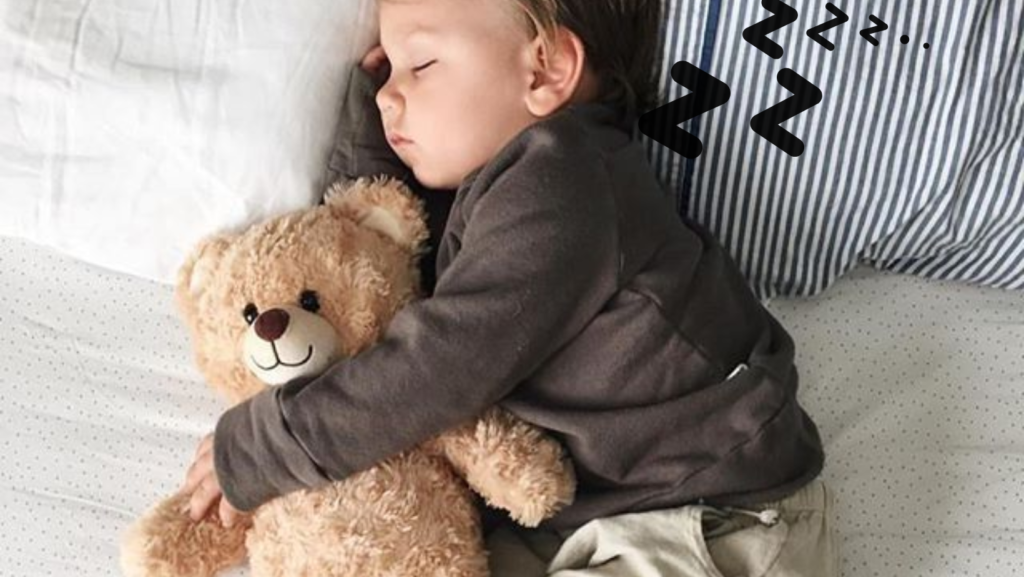
Children naturally seek comfort when transitioning from active play to rest. A consistent bedtime companion can help them relax and feel secure in their surroundings. Plushies often become trusted comfort objects because they provide a familiar presence during quiet moments.
A comforting toy can signal that it is time to wind down, making bedtime routines smoother and more predictable. Over time, children begin to associate their plushie with relaxation and safety, which can support better baby sleep patterns.
Comfort objects are especially helpful during:
- Bedtime transitions
- Nighttime awakenings
- Travel or new environments
- Periods of separation from parents
By providing reassurance, plushies help children settle more easily and return to sleep faster.
How Plushies Support Better Baby Sleep
Plushies contribute to restful sleep in several practical ways. Their gentle texture and familiar shape create a soothing sensory experience that helps children relax before bedtime.
1. Emotional Security
A plushie offers a sense of companionship, reducing feelings of loneliness or fear. This emotional support plays an important role in establishing consistent baby sleep routines, especially for toddlers learning to sleep independently.
2. Consistent Bedtime Routine
Children thrive on routine. Including a plushie as part of bedtime rituals—such as reading stories or saying goodnight—helps create predictable patterns that encourage better baby sleep.
3. Reduced Anxiety and Stress
Many children experience bedtime anxiety. Holding a soft toy can provide comfort and distraction, making it easier to fall asleep calmly and maintain steady baby sleep habits.
4. Familiar Sensory Comfort
The gentle touch of soft fabric for plushies and the balanced feel of soft toy stuffing create a calming sensory experience. These physical sensations help signal the body to relax and prepare for rest.
The Role of Materials in Safe and Comfortable Sleep
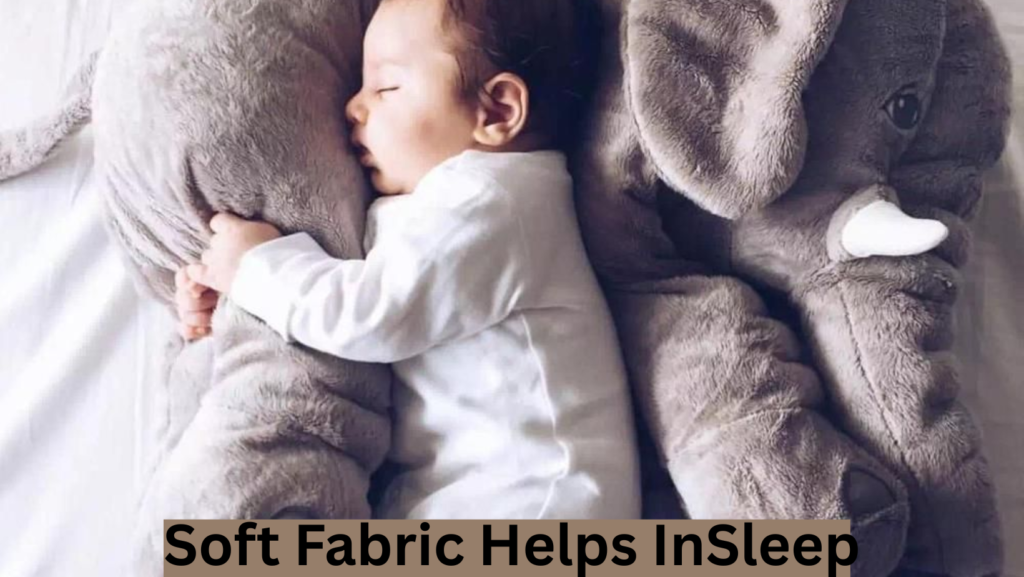
When selecting a plushie for bedtime, materials matter just as much as design. Safe, high-quality materials ensure that the toy remains comfortable, hygienic, and suitable for daily use.
Plushie Material
The outer layer of a plushie should be soft, breathable, and gentle on sensitive skin. Reliable plushie material helps maintain comfort throughout the night and reduces the risk of irritation.
Soft Fabric for Plushies
High-quality soft fabric for plushies allows air to circulate, preventing overheating during sleep. This is especially important for infants and toddlers who are still developing temperature regulation.
Soft Toy Stuffing
The filling inside the plushie should be lightweight and evenly distributed. Good soft toy stuffing helps the toy retain its shape without becoming too firm or too heavy.
Choosing the right materials supports both comfort and safety, helping parents create an environment that promotes healthy baby sleep.
When Do Plushies Become Helpful for Sleep?
Plushies can support sleep at different stages of childhood, but their benefits often become most noticeable during toddler years. As children begin to develop independence, they may rely on familiar objects for reassurance.
Parents often introduce plushies during:
- Transition from crib to bed
- First nights sleeping alone
- Travel or daycare adjustments
- Changes in routine
At these moments, a familiar toy can provide stability and encourage consistent baby sleep patterns.
Are Plushies Safe for Bedtime Use?
Safety is always the top priority when placing any item in a child’s sleep space. Plushies designed for children should meet strict safety standards and be appropriate for the child’s age.
Parents can ensure safe use by:
- Choosing toys with secure stitching
- Avoiding loose buttons or small parts
- Selecting breathable plushie material
- Washing plushies regularly
- Using appropriately sized toys
These precautions help maintain a safe sleep environment while still supporting comfortable baby sleep routines.
Do Expensive Plushies Improve Sleep Quality?
Some parents wonder whether premium toys or the most expensive toys provide better sleep benefits. While higher-priced plushies may use superior materials, the most important factors are comfort, safety, and familiarity.
A simple plushie made with reliable soft fabric for plushies and durable soft toy stuffing can be just as effective as a luxury item. What matters most is how the child connects with the toy and feels comforted by its presence.
Consistency, routine, and emotional attachment are the true drivers of healthy baby sleep, not price alone.
Tips for Choosing the Best Plushie for Bedtime
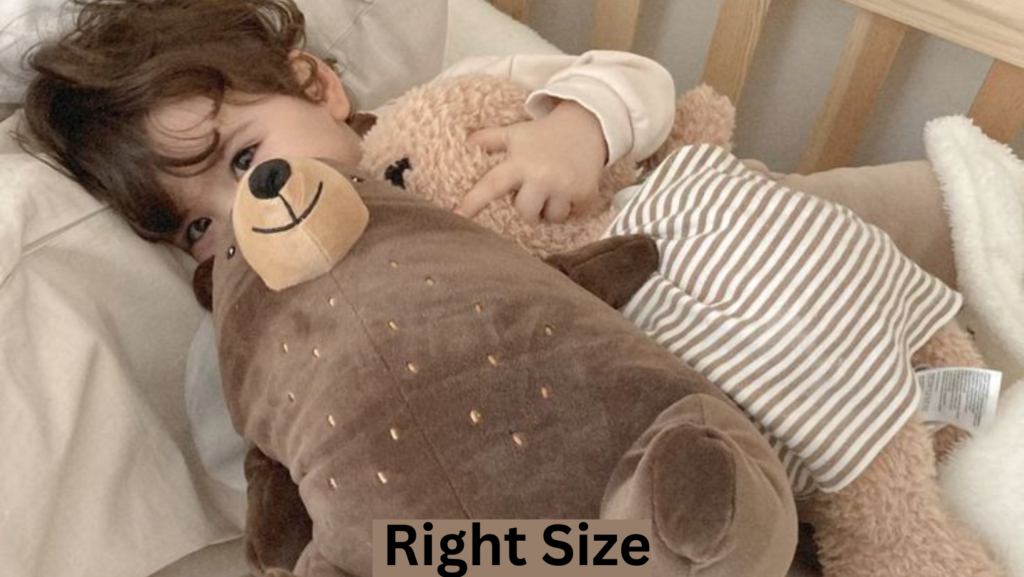
Selecting the right plushie can make bedtime more peaceful for both children and parents. Here are practical tips to help guide your choice.
Choose Soft, Breathable Materials
Look for gentle soft fabric for plushies that feels comfortable against the skin.
Check the Quality of Stuffing
Evenly distributed soft toy stuffing ensures the toy remains soft and supportive.
Select a Manageable Size
A small or medium plushie is easier for children to hold and safer for sleep.
Keep It Clean
Wash the plushie regularly to maintain hygiene and comfort.
These simple steps can help create a bedtime companion that supports restful baby sleep night after night.
Building Healthy Sleep Habits with Plushies

Plushies work best when combined with consistent routines and a calm sleep environment. Parents can use plushies as part of a structured bedtime routine that signals the body to relax and prepare for rest.
A typical routine may include:
- Bath time
- Quiet play or reading
- Cuddling with a plushie
- Turning off lights
- Saying goodnight
Repeating these steps each evening helps children feel secure and encourages steady baby sleep patterns over time.
Final Thoughts
Plushies are simple yet powerful tools for supporting restful sleep. Their soft textures, comforting presence, and emotional value make them trusted companions during bedtime routines. When made with safe plushie material, gentle soft toy stuffing, and breathable soft fabric for plushies, plushies can create a calming environment that promotes relaxation.
While they may not replace good sleep habits, plushies can play a valuable role in building consistent routines and reducing nighttime anxiety. For many families, these bedtime companions become an essential part of healthy baby sleep, helping children feel safe, comforted, and ready for a peaceful night’s rest.