
Plushies are more than just toys—they are companions, comfort objects, and sometimes a child’s favorite bedtime partner. Because they are handled daily, carried everywhere, and often cuddled during sleep, they naturally collect dust, germs, and spills. That’s why understanding proper soft toy cleaning is essential for keeping plushies safe, hygienic, and long-lasting.
Many parents and caregivers worry about washing plushies too often or not enough. The truth is that the right cleaning routine depends on how frequently the toy is used, the environment, and the materials used in its construction. From the durability of the plushie material to the resilience of the soft toy stuffing and the quality of the soft fabric for plushies, each factor affects how often cleaning is needed. This practical guide will help you maintain effective soft toy cleaning habits while protecting the comfort and lifespan of your child’s favorite toy.
Soft Toy Cleaning: How Often Should You Wash a Plushie?
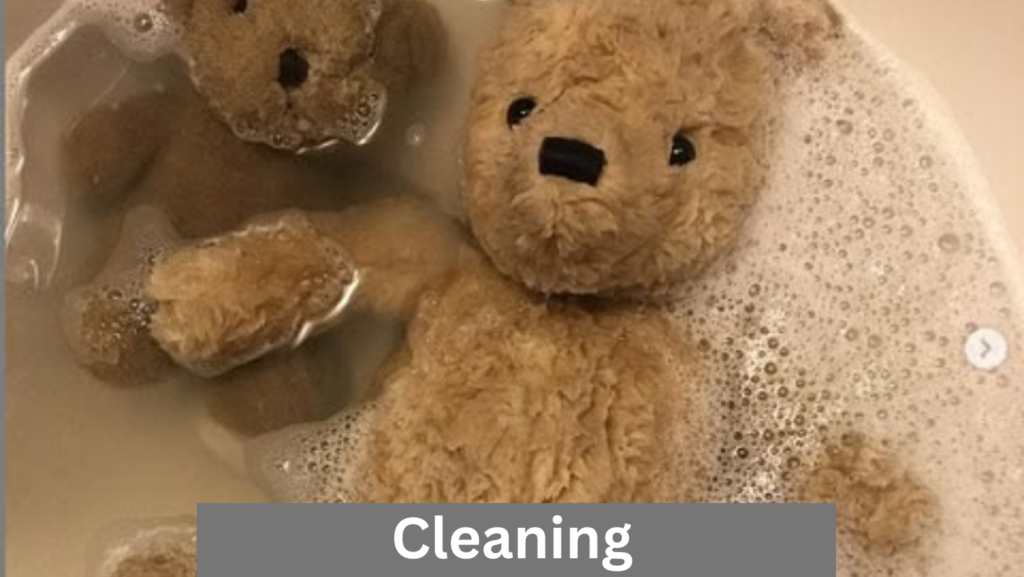
The frequency of washing a plushie depends on how it is used. Some toys stay on a shelf most of the time, while others travel everywhere with a child. Establishing a regular soft toy cleaning routine helps maintain hygiene without damaging the toy.
Here are general guidelines to follow:
Every 1–2 Weeks
Wash plushies that are used daily, especially those that sleep with children. Regular soft toy cleaning prevents the buildup of dust and bacteria.
Once a Month
Clean plushies that are used occasionally or kept in a playroom. Monthly soft toy cleaning helps maintain freshness and appearance.
Immediately After Illness
If a child has been sick, wash the plushie right away. Prompt soft toy cleaning reduces the spread of germs and supports a healthy recovery.
After Outdoor Use or Spills
Any time a plushie gets dirty from outdoor play or food spills, it should be cleaned as soon as possible.
Following these simple routines ensures consistent soft toy cleaning while keeping the toy safe for everyday use.
Why Regular Cleaning Matters for Health and Safety
Plushies come into close contact with children’s faces and hands, making cleanliness especially important. Without regular soft toy cleaning, dust mites, allergens, and bacteria can accumulate inside the fabric and stuffing.
Routine cleaning provides several important benefits:
- Maintains hygiene and reduces germs
- Protects children with allergies or sensitive skin
- Keeps the toy smelling fresh
- Preserves the softness of the fabric
- Extends the toy’s lifespan
Proper soft toy cleaning is not just about appearance—it plays a key role in maintaining a safe and comfortable environment for children.
Understanding Materials Before Washing a Plushie
Before starting any cleaning process, it is important to understand the materials used in the toy. Different fabrics and fillings respond differently to water, heat, and detergents.
Plushie Material
The outer plushie material determines how gentle or durable the toy is during washing. Cotton and polyester fabrics are generally machine washable, while delicate materials may require hand washing.
Soft Fabric for Plushies
High-quality soft fabric for plushies is designed to withstand repeated cleaning without losing its softness. Choosing durable fabric makes regular soft toy cleaning easier and more effective.
Soft Toy Stuffing
The filling inside the toy affects drying time and shape retention. Good soft toy stuffing maintains its structure after washing, preventing the toy from becoming lumpy or misshapen.
Understanding these materials helps ensure that soft toy cleaning protects the toy instead of damaging it.
Best Methods for Cleaning Plushies
Different cleaning methods can be used depending on the condition of the toy and the type of fabric. Selecting the right approach ensures safe and effective soft toy cleaning.
1. Machine Washing
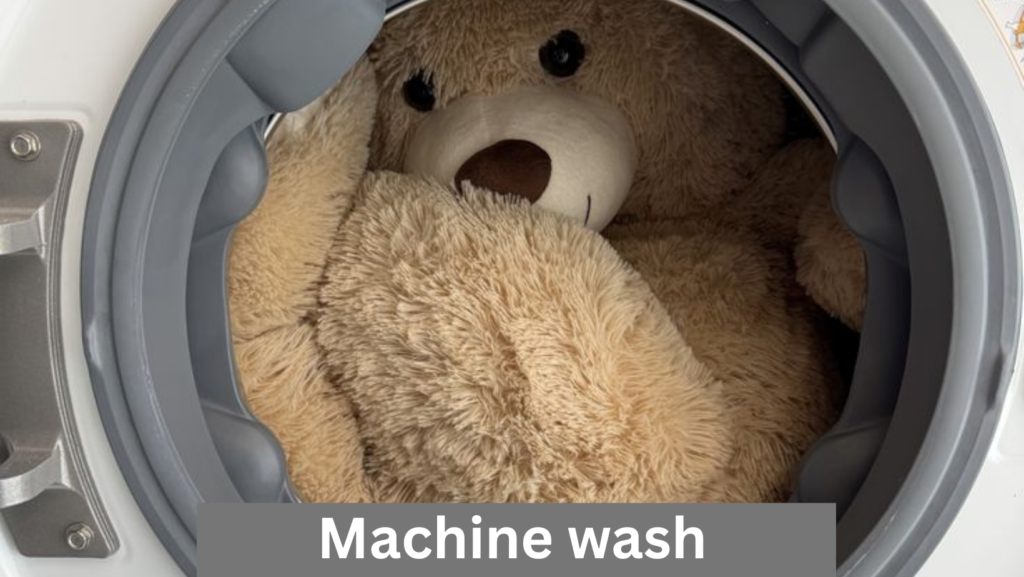
Machine washing is the most convenient method for many plushies. Place the toy inside a laundry bag or pillowcase to protect it during the wash cycle.
Tips:
- Use cold or lukewarm water
- Choose a gentle cycle
- Use mild detergent
- Air dry whenever possible
This method works well for plushies made with durable soft fabric for plushies and resilient soft toy stuffing.
2. Hand Washing
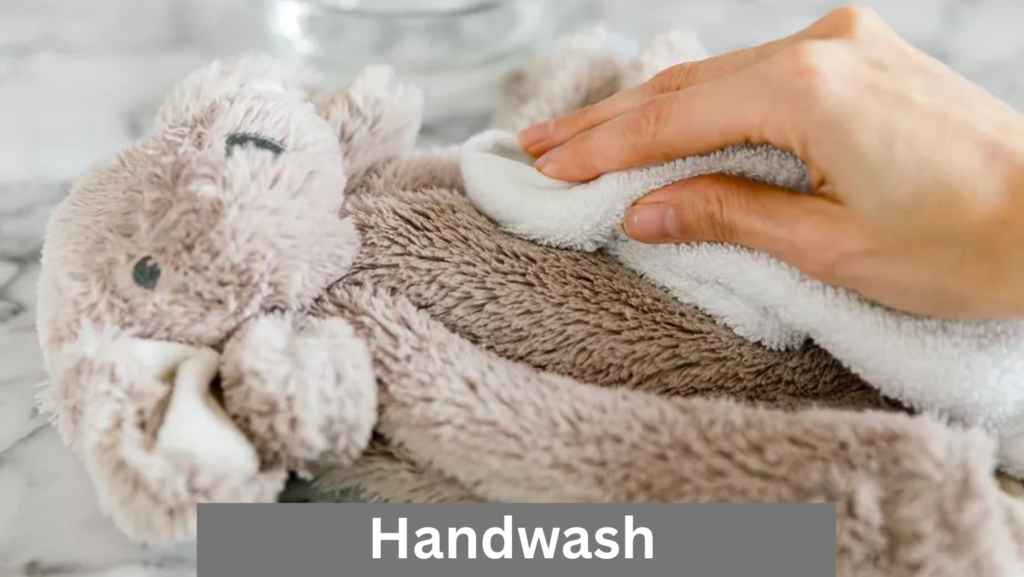
Hand washing is ideal for delicate or handmade plushies. It provides more control and reduces the risk of damage.
Steps:
- Fill a basin with lukewarm water
- Add a small amount of gentle detergent
- Gently squeeze the toy to remove dirt
- Rinse thoroughly
- Press out excess water and air dry
Hand washing is a safe and reliable method of soft toy cleaning for sensitive materials.
3. Spot Cleaning
Spot cleaning is useful for minor stains or small areas of dirt. It allows you to clean the plushie quickly without washing the entire toy.
How to do it:
- Use a damp cloth or sponge
- Apply a small amount of mild soap
- Gently rub the stained area
- Allow the toy to air dry
This quick form of soft toy cleaning helps maintain hygiene between full washes.
How to Dry Plushies Safely
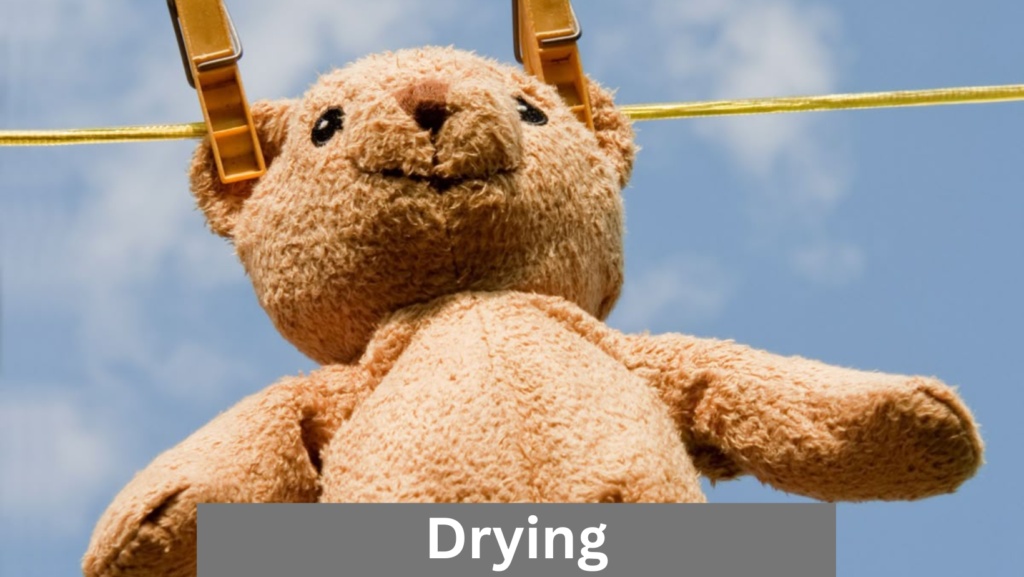
Drying is just as important as washing. Improper drying can damage the toy’s shape or weaken the seams. Safe drying methods ensure successful soft toy cleaning and preserve the toy’s structure.
Air Drying
Air drying is the safest method. Place the plushie in a well-ventilated area and allow it to dry naturally.
Low-Heat Dryer
If using a dryer, select the lowest heat setting. High temperatures can damage the plushie material and reduce the softness of the soft fabric for plushies.
Proper drying prevents moisture buildup and keeps the soft toy stuffing evenly distributed.
Signs That a Plushie Needs Cleaning
Sometimes it can be difficult to know when cleaning is necessary. Paying attention to visible and sensory cues helps maintain timely soft toy cleaning.
Look for these signs:
- Unpleasant odors
- Visible dirt or stains
- Dust accumulation
- Increased allergy symptoms
- Flattened or stiff texture
When these signs appear, it is time to perform soft toy cleaning to restore freshness and comfort.
Do Expensive Plushies Require Special Cleaning?
Some parents assume that premium or luxury toys—often considered among the most expensive toys—require complicated cleaning routines. In reality, the cleaning process depends more on materials than price.
High-quality plushies often use durable plushie material and strong soft toy stuffing, making them easier to maintain. Regular soft toy cleaning helps preserve their appearance and ensures long-term use, regardless of cost.
Whether the toy is affordable or high-end, consistent care is the key to keeping it clean and safe.
Tips to Keep Plushies Clean for Longer
Preventive care reduces the need for frequent washing and helps maintain a fresh appearance. These simple habits support effective soft toy cleaning routines.
Wash Hands Before Play
Clean hands reduce the transfer of dirt and germs.
Keep Plushies Off the Floor
Storing toys on shelves or beds helps maintain cleanliness.
Use Protective Storage
Place unused plushies in clean containers to prevent dust buildup.
Rotate Toys Regularly
Switching toys allows time for proper cleaning and drying.
These small steps make everyday soft toy cleaning easier and more manageable.
Final Thoughts
Plushies bring comfort, joy, and emotional security to children, but they also require regular care to stay safe and hygienic. Establishing a consistent soft toy cleaning routine helps protect children’s health while preserving the softness and durability of their favorite toys.
By understanding the role of plushie material, choosing durable soft fabric for plushies, and maintaining reliable soft toy stuffing, parents can ensure that plushies remain clean, comfortable, and long-lasting companions.
In the end, proper soft toy cleaning is not just about keeping toys tidy—it is about creating a safe, healthy environment where children can play, cuddle, and grow with confidence.